
Clearer Instructions, Safer Recovery: Why Good Communication Matters in Rehabilitation
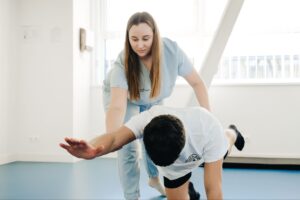
Image via Pexels
Physical therapy and post-injury rehabilitation depend on clear communication between patients, providers, and caregivers from the very first visit. Recovery is rarely just “do a few exercises and wait.” It often involves precise movement, careful timing, gradual progression, pain monitoring, and steady follow-through at home. When instructions are easy to understand and repeat, patients are more likely to practice safely, notice warning signs, and build confidence as they heal.
What to Remember Before Your Next Session
Good rehabilitation communication turns a treatment plan into daily action. A patient needs to know what to do, how often to do it, what proper form feels like, and when to stop or ask for help. Providers improve safety by using plain language, demonstrations, visual cues, written reminders, and teach-back, a method where patients explain or show the instructions back in their own words. The goal is simple: fewer guesses, better technique, and a recovery plan the patient can actually follow.
Small Misunderstandings Can Change the Exercise
Rehabilitation instructions often sound simple until the patient tries them alone. “Bend slightly,” “hold for ten seconds,” “keep your knee aligned,” or “increase resistance next week” can mean different things to different people. One patient may move too far. Another may rush the timing. Someone else may avoid the movement completely because they fear pain.
These gaps matter. Improper technique can place stress on the wrong joint or muscle. Moving too quickly through a progression may irritate healing tissue. Waiting too long to advance may slow strength and mobility gains. A successful plan depends not only on what the provider prescribes, but on whether the patient understands it well enough to repeat it consistently.
Common Communication Breakdowns in Rehab
- Instructions are too technical or rushed.
- The patient learns better by seeing than hearing.
- Pain, stress, fatigue, or medication makes it harder to remember details.
- The patient feels embarrassed to ask questions.
- Language differences make spoken directions less reliable.
- The home exercise sheet does not match what was demonstrated in the clinic.
From Explanation to Execution
| Communication Need | What Can Go Wrong | What Helps |
| Movement form | Patient uses the wrong muscle group or joint position | Demonstration, mirror feedback, hands-on cueing when appropriate |
| Timing | Patient holds too long, too briefly, or skips rest | Simple counts, written schedule, phone reminders (as well as medication reminders) |
| Progression | Patient advances too fast or not at all | Clear milestones and “only progress when…” guidance |
| Safety limits | Patient pushes through warning signs | Stop rules, pain scale guidance, follow-up instructions |
| Home practice | Patient forgets the sequence | Printed handout, video chat or clip, checklist |
When Language Gets in the Way
Language differences can make rehabilitation harder even when the patient is motivated and the provider is skilled. A small misunderstanding in a spoken cue, such as “rotate outward” versus “move your leg away,” may affect form, comfort, and safety. In busy clinics, diverse care settings, or family-supported recovery plans, translated instructions can help patients hear guidance in the language they understand best.
Tools that translate audio into multiple languages can support clearer follow-through when providers need to share spoken explanations across language preferences. These tools do not replace clinical judgment, a qualified interpreter, or personalized therapy guidance. They can, however, help make repeated instructions more accessible when patients need to review movement cues after the visit.
How Providers Make Instructions Easier to Follow
Many rehabilitation professionals use a layered approach: say it, show it, watch it, and confirm it. Plain language helps reduce confusion, especially when medical terms are unnecessary. Demonstrations help patients see the movement rather than imagine it. Visual cues, such as arrows, mirrors, diagrams, or short videos, can reinforce the difference between “almost right” and “safe and effective.”
Providers may also adapt based on learning style. Some patients need written steps. Others need repetition. Some benefit from involving a family member or caregiver. The CDC notes that communication practices such as plain language, clear verbal explanation, demonstrations, and asking patients to repeat instructions can support better understanding.
A Helpful Resource for Better Questions
Patients who want to feel more confident during appointments may benefit from the Agency for Healthcare Research and Quality’s teach-back resource. It explains how patients and families can take an active role in confirming instructions. The idea is practical: ask the provider to explain, then say the plan back in your own words. This can reveal missing details before the patient gets home. It is especially useful when instructions involve medications, wound care, mobility restrictions, or several exercises with different timing.
FAQ
What should I do if I forget my exercises after the appointment?
Call the clinic or send a message through the patient portal. It is safer to ask than to guess.
Is pain always a sign I am doing something wrong?
Not always. Some discomfort may be expected, but sharp pain, worsening swelling, numbness, or symptoms your provider warned you about should be reported.
Can I record my therapist demonstrating an exercise?
Ask first. Many providers allow photos or videos when it supports safe home practice and follows clinic policy.
Why do instructions change over time?
Rehabilitation is progressive. As strength, mobility, balance, and tissue tolerance improve, the plan may need to change.
Conclusion
Clear communication is one of the strongest tools in rehabilitation because it connects the clinic plan to real-life recovery. Patients do better when they understand the movement, timing, purpose, and safety limits of each exercise. Providers help by making instructions plain, visual, repeatable, and personalized. When both sides confirm understanding, rehabilitation becomes safer, steadier, and easier to follow.